
Categories
Empowerment Self-Care

Overcoming Hopelessness After Trauma: Focusing on What’s in Your Control

Life after trauma can feel like an endless loop, especially when you escape one toxic situation only to find yourself in another. It’s a unique struggle—where you’ve done nothing to invite trouble, and yet, it finds you again. Even more disheartening is when the people or systems meant to support you—therapists, doctors, social workers, clergy members, or government officials—end up adding to the pain. This can happen for various reasons beyond your control, whether due to structural inequality, system failures, or a pervasive lack of positivity in certain areas.

As someone who’s been in therapy since middle school, I’ve seen firsthand how the people we turn to for help can sometimes fail us—deeply and repeatedly. I’ve been in rooms where therapists degraded me, talked down to me, and made wild assumptions about my character. They gaslit me about my own experiences, laughed at my trauma, and made me feel smaller every time I left. And for what? What good did it do me to recount those traumatic events with them? I began to feel hopeless—because if even the experts couldn’t help me, where did that leave me?

But here’s the truth: Even when we face such challenges, we have the power to reclaim our journey. In this article, I want to share how I’m learning to make peace with these experiences and, more importantly, how to shift my focus to what’s within my control. I believe deeply in our own capabilities—and I want you to believe in yours, too.

The Challenge of Trusting Systems That Fail Us

It’s tough to describe how disheartening it can be when the very systems or professionals you’re supposed to trust let you down. Therapists, social workers, and doctors are trained to support people, but sometimes they fall short. Sometimes, they even become part of the toxicity we’re trying to escape.

This can happen for many reasons. Structural inequality plays a big role—people from marginalized backgrounds often experience subpar treatment or discrimination, even from supposed “helpers.” Underfunded systems or burned-out professionals also contribute. In some cases, I think it’s just that the world around us hasn’t cultivated the right kind of support we need—especially in certain areas where positivity and empathy seem lacking.

In my case, I could feel my mental health worsening as I encountered therapists who didn’t listen, laughed at my pain, or just flat-out didn’t believe me. I realized that finding someone who could truly help me would be an uphill battle, especially since the most skilled therapists often don’t accept insurance, leaving those who do to fall into patterns of exploitative care. I began to wonder: What’s the point of trusting these systems?

Taking Back Control: Focusing on What You Can Change

So, how do we overcome this hopelessness? How do we rebuild a sense of control when the world around us feels out of our hands? The answer lies in exactly that—focusing on what is in our hands.

I’ve been through it. A lot. And it led me on a constant search for the one—the person or therapist who could help me heal and make everything better. I didn’t believe I could do anything myself, despite all the evidence of my capability. That mindset, that search for external validation and healing, was problematic. Therapy can sometimes amplify that feeling if we come into it believing the therapist has all the answers.

But the truth is, there is no one-size-fits-all approach to healing. Therapists are not all-knowing or all-powerful. They each have their own limited expertise. So, it’s crucial not to put them on a pedestal. It’s up to you to choose someone who’s a good fit and to walk away from those who aren’t. The real healing happens when you recognize your active role in the process. You are fully capable of doing that healing work—even without someone else’s help. You have more power than you realize, and focusing on what you can control is the first step toward taking it back.

Here are a few steps that have helped me regain my power, and I hope they’ll inspire you, too:

1. Set Boundaries with Service Providers

One of the most empowering things you can do is recognize when a service provider is not meeting your needs and walk away. If you feel disrespected, belittled, or gaslit, know that you do not have to stay in that dynamic. It’s okay to stop seeing a therapist, switch doctors, or fire a lawyer if they aren’t respecting your experience.

I know how difficult this can be—especially when it feels like your options are limited—but every time you assert your boundaries, you’re taking a powerful step toward reclaiming your life.

2. Educate Yourself

We live in a time where knowledge is at our fingertips, and that’s a gift. You don’t have to feel completely dependent on gatekeepers like therapists or lawyers anymore. With technology and AI, you can educate yourself on mental health techniques, legal rights, or coping strategies without waiting for someone to tell you what’s possible.

Many therapeutic approaches—like cognitive-behavioral therapy (CBT) or mindfulness—can be learned through self-study. There are countless free resources, apps, and forums where you can build your own toolkit for managing your mental health. The more you educate yourself, the better you’ll be at recognizing when someone in a professional role isn’t living up to what they should be providing.

3. Build Your Own Emotional Toolkit

Creating your own set of tools for managing emotions can be a game-changer. This could mean different things for different people, but for me, it includes journaling, practicing mindfulness, and using art and music as therapeutic outlets. Find what works for you, and build those habits into your daily routine.

Whether it’s meditation, grounding exercises, or something as simple as going for a walk, focusing on tools you can use anytime, anywhere, gives you a sense of agency. It’s a way to remind yourself that no matter what’s happening around you, you have resources within you.

4. Mindset Shifts: From Powerlessness to Empowerment

A big part of overcoming hopelessness is reshaping how you view yourself. Yes, systems fail, people fail, and sometimes, the world feels deeply unfair—but that doesn’t mean you’re powerless.

Start by reframing your thoughts around agency. Instead of saying, “I need this therapist to fix me,” try shifting it to, “I am actively participating in my healing process.” Instead of feeling dependent on outside help, start believing in your capability to grow and heal—on your own terms.

5. Find or Build Community Support

While it’s true that systems can fail us, we can never underestimate the power of community. Whether through peer support groups, online forums, or local organizations, there are always people out there who understand your struggles and want to support your growth.

These communities are often filled with individuals who have faced similar challenges, and they can provide solidarity, encouragement, and practical advice. If you can’t find a group that feels right, consider starting one. You might be surprised by how many people share your experience and are looking for connection.

6. Recognize the Small Wins

Healing doesn’t happen all at once. But it does happen, in small, beautiful ways. Every time you set a boundary, walk away from toxicity, or take care of yourself in a meaningful way, you’re making progress.

When the big victories seem out of reach, celebrate the small ones. Each step toward healing—no matter how small—is a reminder that you’re in control of your journey.

Conclusion: You Are Capable, and You Are Worthy

I want to leave you with this: Even when systems fail, even when people fail, you are not a failure. You are capable, worthy, and equipped to navigate your healing process. I know firsthand how hard it is to overcome hopelessness, but I also know how powerful it is to reclaim your sense of control, step by step.

With knowledge, boundaries, and belief in yourself, you can move forward—even when it feels like the world is against you. And remember, you are not alone in this journey. There are countless others who have faced similar challenges, and by sharing our stories and supporting each other, we become stronger.

Healing is not about fixing everything that’s broken. It’s about discovering the power that’s already within you.


Categories
Self-Care

Embracing Self-Care: Your Essential Mental Health Toolkit

In our fast-paced world, we often overlook the fundamental aspect of mental health care: self-care. The World Health Organization acknowledges self-care as the cornerstone of mental health well-being. It’s more than just a buzzword; it’s a lifeline that’s crucial for everyone, especially for marginalized communities facing systemic challenges.

When it comes to mental health, self-care isn’t merely about bubble baths or occasional indulgences; it’s a profound act of self-preservation and empowerment. For marginalized groups like BIPOC communities and neurodivergent individuals, self-care serves as a shield against oppressive structures and biases ingrained in formal healthcare systems. It’s a means to reclaim autonomy, to decant the opinions that may undermine their lived experiences.

So, what exactly is self-care in the realm of mental health? It’s about establishing a toolkit of practices that nurture your mind, body, and spirit, allowing you to navigate life’s twists and turns with resilience. Here’s a list of fundamental self-care strategies tailored to help individuals with mental illnesses maintain their well-being:

1. Establish a Routine: Consistency breeds stability. Craft a daily routine that includes regular sleep patterns, meals, exercise, and relaxation.

2. Mindfulness and Meditation: Practice mindfulness techniques or meditation to center yourself, focusing on the present moment and easing anxious thoughts.

3. Physical Activity: Engage in exercises you enjoy, whether it’s yoga, dancing, walking, or any physical activity that boosts endorphins and reduces stress.

4. Healthy Eating Habits: Nourish your body with balanced meals. Opt for nutritious foods that provide sustained energy and support overall well-being.

5. Quality Sleep: Prioritize a restful sleep routine. Create a calming bedtime ritual and ensure a comfortable sleep environment.

6. Limit Screen Time: Take breaks from screens. Set boundaries for technology use to prevent overwhelm and mental exhaustion.

7. Seek Support: Cultivate a support network. Surround yourself with understanding friends, family, or seek professional help when needed.

8. Creative Outlets: Explore creative expressions like painting, writing, or music. These outlets can serve as cathartic releases for emotions.

9. Setting Boundaries: Learn to say no. Set boundaries to protect your mental health and prevent burnout from over-committing.

10. Self-Compassion: Be kind to yourself. Embrace imperfections, practice self-compassion, and avoid self-criticism.

Remember, self-care isn’t selfish; it’s a fundamental act of self-preservation. Prioritizing your mental health through these strategies is an act of empowerment, especially for those navigating the complexities of societal barriers. By embracing self-care, we not only nourish our minds but also cultivate resilience to thrive in a world that often challenges our well-being.

Let’s advocate for a culture where self-care isn’t a luxury but a necessity for all, regardless of background or circumstance. It’s a step towards a healthier, more compassionate world—one where mental health care isn’t just an afterthought but a priority woven into the fabric of our daily lives.

Categories
Building Community

Embracing Informal Community Care: Nurturing Mental Wellness Beyond Power Structures

Hey there, fellow travelers on the winding road to mental wellness! Let’s chat about something exciting today: informal community care. You might wonder, “Why is this such a big deal?” Well, the World Health Organization (WHO) thinks it’s a game-changer—and for some pretty remarkable reasons. But before we dive in, grab a cozy seat and get ready for some mental health magic.

Informal community care is like a warm hug for your soul—a haven where communities rally together, offering support, empathy, and understanding. No degrees or fancy titles needed—just genuine care and human connection. It’s that sense of solidarity and support that makes it shine, and there’s something more about it that’s truly extraordinary.

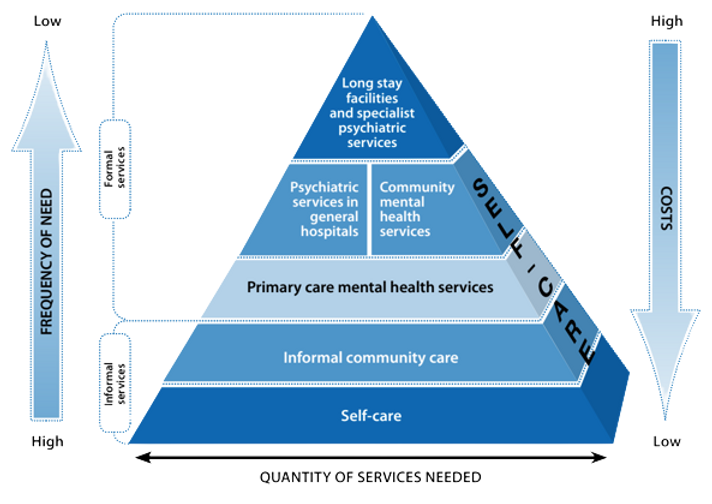
The World Health Organization defines informal community care as support that exists outside of formal health and social service systems. In simple terms, it’s the care, encouragement, guidance, and sense of belonging we receive through community spaces, organizations, cultural traditions, spiritual groups, shared activities, and everyday relationships. You can think of it as an extension of self-care—support that helps us nurture our well-being while connecting with others, because social connection is one of the most important foundations of mental health.

So, what does informal community care look like in practice? It’s unique to everyone’s experience, and the beauty of it is that you can find it in the activities and places that already bring you joy or comfort. Here are some real-life examples:

  1. Church and Fellowship Groups: If you regularly attend a church or another place of worship, you might find that the emotional support from fellowship groups, prayer circles, or casual meetups becomes a big part of your mental wellness. It’s a safe space to connect with people who share your values and are there for you when you need someone to lean on.
  2. Meditation Centers: Maybe you prefer a more secular or mindfulness-based approach to your well-being. If you frequent a local meditation center, you’re not just managing stress but also building connections with others who share your journey to calm the mind and manage anxiety.
  3. Dance Classes or Groups: For the movement lovers out there, dance classes can be more than just physical exercise. Whether you’re into salsa, contemporary, or hip hop, joining a dance group allows you to express yourself, relieve stress, and grow together with others in the community. Plus, it’s a fun way to form lasting friendships!
  4. Basketball or Rec Sports: If you’re a fan of shooting hoops, you might find informal community care in local basketball games at your rec center. Whether you’re part of a league or just enjoy some casual games, being part of a sports group gives you a chance to build camaraderie, release stress, and make new connections through shared activity.
  5. “Third Places” Beyond Home and Work: Whether it’s the local café, a book club, or a gardening group, informal community care often thrives in these “third places”—places where people come together outside of home and work. These spaces are crucial for mental well-being, as they provide a chance to engage with others, share common interests, and find support in a relaxed, non-clinical setting. In this digital age, online platforms have become hubs of connection as well. From Reddit threads to Facebook groups, these spaces provide advice, shared stories, and solace in anonymity.
World Health Organization's Service Organization Pyramid for Mental Health, highlighting levels from self-care to specialist services.
Navigating mental health care: The WHO Pyramid emphasizes the role of informal community care. Discover why it’s crucial for BIPOC well-being. #CommunityCare #BIPOCWellness

Now, let’s address why the WHO champions informal community care over formal therapy or coaching, especially in the context of massive power imbalances that perpetuate structural inequality:

  1. Accessibility: Formal therapy or coaching can be hindered by barriers like cost, availability, or stigma. Informal community care is often more accessible—it’s free, inclusive, and available within your comfort zone, bridging the gap for those who might not access formal avenues.
  2. Relatability: Sometimes, sharing experiences with peers who understand firsthand what you’re going through can be incredibly comforting. It’s like having a chat with a friend who just gets it.
  3. Holistic Support: Community care isn’t limited to one approach. It’s a tapestry of diverse perspectives, advice, and support systems that cater to various needs—emotional, social, and even practical.
  4. Empowerment: Traditional therapeutic relationships sometimes carry inherent power dynamics. Informal community care allows for more equitable relationships, fostering empowerment as everyone participates as both givers and receivers of support.
  5. Structural Equality: Unlike formal settings, community care can bridge gaps caused by societal inequalities. It doesn’t reinforce hierarchies or perpetuate systemic biases; instead, it thrives on collective support and shared experiences.

Remember, dear reader, there’s no one-size-fits-all approach to mental health care. Formal therapy, coaching, or informal community care—each path has its merits. Your mental health journey is valid, and you have every right to explore different avenues until you find the support that resonates with you.

Informal community care isn’t just about healing—it’s a movement toward a more equitable, compassionate society. It’s a testament to the fact that healing and support come in many forms, and you’re never alone in your pursuit of well-being.

So, if a virtual support group or a heartfelt conversation with a friend brings solace, embrace it! Your healing matters, and the power of collective support within communities can be an empowering force in your journey.

In the end, it’s about fostering a culture of empathy, understanding, and solidarity—a reminder that healing is for everyone and that community care is a beautiful, inclusive space for nurturing mental wellness.

Here’s to celebrating the power of informal community care and building a world where compassion reigns supreme!

Stay kind to yourself!

Categories
Law and Justice

Empowering Mental Health Rights: A Guide for Individuals Seeking Support

Hey there, fellow mental health champions! Picture a world where seeking support for your mental well-being is met with respect, understanding, and fairness for all. Unfortunately, it’s not always the case, especially for People of Color like us. I’ve been down that road; I’ve witnessed my family face mistreatment within the mental health care system since I was a kid. It never felt right, but I didn’t know much about human rights back then. It wasn’t until my teenage years in foster care, that I stumbled upon a volunteer program that armed us with valuable documents about our rights. That was a game-changer! Knowing my rights became my shield against mistreatment, and it’s been a powerful tool ever since.

Let’s dive into this Mental Patient’s Bill of Rights – an incredible set of rules designed to make sure we get the dignity and care we deserve in our mental health journeys.

1. Right to the Right Kind of Care

Seeking support takes courage, and you deserve care that honors that. When you enter a mental health program, you have the right to receive treatment and services that are appropriate for your needs and respectful of who you are as a whole person.

That means your care should take into account your unique experiences, goals, strengths, culture, language, values, and circumstances. You are more than a diagnosis, and your treatment should reflect that. A good provider works to understand your individual situation rather than assuming that one approach will work for everyone.

You also deserve to know why certain services or treatments are being recommended. If something doesn’t feel like a good fit, it’s okay to ask questions, request clarification, or discuss other options. Mental health care works best when it is built around your needs rather than expecting you to fit into a one-size-fits-all system.

2. Your Plan, Your Say

Your mental health journey belongs to you. Treatment shouldn’t be something that simply happens to you—it should be something you help shape. You have the right to be included in creating your treatment plan, and your goals, concerns, strengths, experiences, and preferences should all be taken seriously along the way.

A good treatment plan should help you understand what services are being offered, why they’re being recommended, and what goals they’re meant to support. You deserve clear explanations, not confusion or guesswork.

And remember: your needs can change over time. What felt helpful six months ago may not feel helpful today. If something isn’t working, if your goals have shifted, or if you’d like to explore a different approach, it’s okay to speak up. You have the right to ask questions, request changes, and be part of the conversation about what happens next.

3. You’re in the Driver’s Seat

You deserve to understand what is happening in your care. Being part of your treatment isn’t just about showing up to appointments—it’s also about having access to information that helps you make informed decisions.

Your providers should explain your treatment goals, the services being offered, possible benefits and risks, and any alternatives that may be available. They should do so in a way that makes sense to you, without relying on confusing jargon or expecting you to simply “go along with it.”

Never feel embarrassed about asking questions or requesting clarification. Understanding your options is an important part of advocating for yourself. You have every right to know what is being recommended and why, so you can make choices that feel right for you.

4. Say “No” When You Need To

Your consent matters. In most situations, you have the right to decide whether you want to participate in a treatment, service, or intervention.

For consent to be meaningful, you should receive enough information to understand what is being proposed, why it is being recommended, what the possible benefits and risks are, and whether there are alternative options available. Having information helps you make decisions that feel informed rather than pressured.

There are some situations involving emergencies or specific legal requirements where different rules may apply. Even then, you still deserve clear explanations about what is happening and why. Whenever possible, your voice, preferences, and concerns should remain part of the conversation.

5. No Restraints Without Reason

Everyone deserves to be treated with dignity, especially during moments of crisis. Physical restraints, seclusion, or other restrictive measures should never be used as punishment, intimidation, retaliation, or simply because it is more convenient for staff.

These measures are intended to be used only when there is an immediate safety concern and less restrictive options have not been successful or are not available. Even in difficult situations, your humanity matters.

If restraints or seclusion become necessary, they should be used for the shortest amount of time needed to keep people safe. You deserve to be treated respectfully throughout the process and to have your well-being monitored and protected.

6. Your Space Matters

Healing can be difficult when you feel like your privacy is constantly being interrupted. That’s why you have the right to receive care in an environment that respects your personal dignity and privacy whenever possible.

This can include privacy during conversations, treatment sessions, examinations, phone calls, and other personal matters. While some treatment settings have limitations, staff should still make reasonable efforts to protect your personal space and treat you with respect.

You deserve to feel safe enough to speak honestly about your experiences without worrying that your privacy will be ignored or treated as unimportant.

7. Your Secrets Are Safe

Opening up about your mental health often requires a great deal of trust. That’s one reason confidentiality is such an important part of mental health care. In general, information about your diagnosis, treatment, personal history, and records should not be shared with other people unless you give permission for it to be shared.

There are some specific situations where a provider may be legally required or ethically obligated to break confidentiality. These situations are generally limited to serious concerns about immediate safety, such as when someone is at imminent risk of seriously harming themselves, when there is a credible threat of serious harm to another person, when abuse or neglect of a child or vulnerable adult must be reported under the law, or when records are required through a valid court order or another legal process. These exceptions are not meant to be used casually. When confidentiality must be broken, there should be a clear reason for doing so, and the provider should be able to explain the legal or safety concern that required the disclosure.

You also have the right to review your own records and learn what information is being documented about your care. Your records contain information about your treatment, diagnoses, medications, progress notes, and other important parts of your mental health journey. Having access to this information can help you stay informed, better understand your care, and identify mistakes or misunderstandings if they occur.

In some situations, a provider may limit access to a specific portion of a record if releasing it would create a substantial risk of serious harm, but these situations are intended to be exceptions rather than the rule. In general, your records belong to your story, and you have the right to know what is being written about you and used to make decisions about your care.

8. Keep in Touch

Human connection matters. Support doesn’t only come from formal treatment—it also comes from the people who know you, care about you, and help you feel grounded in everyday life.

The World Health Organization talks about informal community care as one of the foundational layers of mental health support, alongside self-care. What that really means is simple: the relationships you already have—friends, family, neighbors, chosen family, spiritual or cultural communities—aren’t “extra” to your healing. They’re part of it. They help hold you up while everything else is happening.

You have the right to stay connected with people who matter to you, and provide emotional or practical support. This can include visits, phone calls, messages, mail, or other approved forms of communication depending on the setting.

Any decent provider or program should understand that healing does not happen in isolation. They should not discourage, block, or unnecessarily restrict your access to supportive relationships. In most cases, they should actively support your ability to maintain healthy connections.

If communication does need to be limited, it should be for a specific and legitimate reason related to safety, treatment planning, or legal requirements—not personal preference or convenience. Any restrictions should be explained clearly, reviewed over time, and kept as minimal as possible.

Your relationships and support systems are not separate from your healing—they are part of it.

9. If Things Go Wrong

Nobody deserves to feel powerless when something doesn’t seem right. If you have concerns about your treatment, your environment, or the way you are being treated, you have the right to speak up.

You can ask questions, share concerns, request reviews, or file complaints through available grievance processes. Raising a concern is not being difficult—it is one way of advocating for yourself and helping ensure that your rights are respected.

You deserve to have your concerns heard, taken seriously, and addressed fairly. Speaking up can also help create safer and more supportive environments for others who may be facing similar challenges.

10. You’re Not Alone

Understanding your rights can feel overwhelming, especially when you’re already navigating stress, uncertainty, or a mental health challenge. The good news is that you don’t have to figure everything out by yourself.

There are advocates, peer supporters, legal aid organizations, ombuds programs, disability rights groups, and other resources that can help you understand your options and stand up for your rights. Reaching out for support is not a sign of weakness—it is a way of making sure your voice is heard.

Sometimes having another person explain your options, attend a meeting, or help you navigate a difficult situation can make all the difference.

11. Finding the Right Fit

Mental health care is not one-size-fits-all, and sometimes a provider, program, or service simply isn’t the right match for your needs. If that happens, you still deserve support.

When services are ending or when a provider is unable to meet your needs, you have the right to receive referrals or information about other resources that could help. A thoughtful transition can make it easier to continue receiving support without feeling lost or abandoned.

Remember that finding the right fit is a normal part of many people’s mental health journeys. Needing a different provider or a different approach does not mean you have failed—it simply means you’re continuing the search for the support that works best for you.

Knowing these rights flips the script. It’s like having your superpower in the mental health care universe. It’s about claiming your worth, steering your own mental health journey, and demanding respect and support you rightly deserve.

Remember, these rights are here to back you up, no matter what. They’ve been my lifesavers, and I hope they’ll be yours too. Embrace them as tools to dodge mistreatment, advocate for yourself, and create a mental health journey filled with respect, understanding, and support. Your mental well-being matters, and these rights ensure that you’re treated with the dignity and care you deserve, no less!

Here is a link to 42 U.S. Code § 9501, The Mental Patients’ Bill of Rights, provided by Cornell Law School. Always remember: Health professionals can play an important role in healing, but expertise should never require blind trust—especially if you suspect that you are being mistreated. Asking questions, seeking second opinions, reviewing your records, and understanding your rights are all part of being an active participant in your own care.